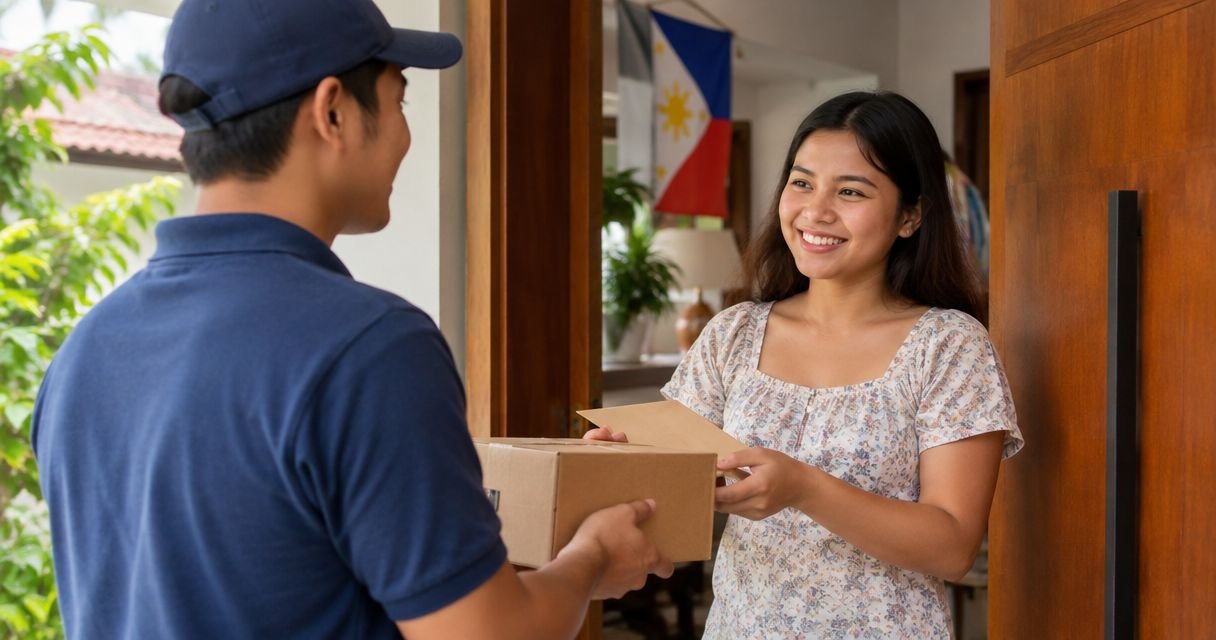
Best overall for a recipient who cannot travel: confirmed home cash delivery. Best alternative for a recipient who can collect cash: cash pickup. Best for direct account access: bank deposit. For Singapore-to-Philippines remittances in 2026, choose the payout method first, then compare providers offering that method for your recipient’s location.
- For the best door to door remittance Philippines choice, confirm home cash delivery to the recipient’s exact address.
- Finpaywise helps Singapore-based Filipino workers compare remittance fees, exchange rates and delivery speeds.
- Cash pickup, bank deposit and mobile wallet transfers are alternatives, not door-to-door cash delivery.
- Compare recipient pesos for the same Singapore-dollar outlay and the same payout method.
Why this matters
Door-to-door remittance means cash delivered to the recipient’s address. Cash pickup means the recipient collects money elsewhere. Bank deposits and mobile wallet transfers put funds into an account rather than bringing physical cash to a home.
That distinction decides whether the transfer solves your family’s problem. A recipient who cannot leave home needs a different service from someone who can collect cash near work. Do not treat a provider’s Philippines coverage as confirmation of home delivery.
Finpaywise is a remittance comparison site for Singapore-based Filipino workers comparing fees, exchange rates and delivery speeds. Use those comparisons alongside the recipient’s practical needs: where they live, how they receive money and whether they need physical cash.
This 2026 guide ranks payout methods by recipient need. A named provider only belongs on your shortlist after its booking flow confirms the required delivery method for your transfer.
What makes the best door-to-door remittance service?
The best choice meets the recipient’s requirements before it wins on transfer cost. Check these criteria in order:
- Actual home delivery: The transfer must explicitly specify cash delivery to an address, not collection from a branch or credit to an account.
- Address coverage: Confirm the recipient’s exact delivery location. Country-level coverage does not answer an address-level question.
- Recipient requirements: Check accepted identification, name matching, contact details and who must receive the payment.
- Recipient pesos: Compare the amount received for the same total Singapore-dollar outlay, including transfer charges.
- Delivery commitment: Read the estimate for the selected route and the conditions attached to it. Payment processing and recipient delivery are separate steps.
- Failed-delivery handling: Check what happens if the recipient is absent, cannot complete verification or needs an address correction.
A service that fails the first criterion is not a door-to-door remittance option. It can still be useful, but it belongs in a different comparison.
Remittance payout options at a glance
| Rank and option | Best for | Standout benefit | Key limitation |
|---|---|---|---|
| 1. Confirmed home cash delivery | Recipients who cannot travel and need physical cash | Cash reaches the specified address | Requires address coverage and successful delivery verification |
| 2. Cash pickup | Recipients who can reach a collection point | Receives physical cash without a bank deposit | Requires a collection trip and accepted identification |
| 3. Bank deposit | Recipients who use a bank account | Funds go directly to the nominated account | Receiving funds does not itself provide physical cash |
| 4. Mobile wallet transfer | Recipients who use a supported wallet | Funds go to the nominated wallet | Cash access requires a separate withdrawal or cash-out step |
These are recipient-fit rankings, not claims that one payout method always delivers faster or leaves the recipient with more pesos. In 2026, compare the actual quote and delivery terms for the route you intend to use.
1. Confirmed home cash delivery: best for homebound recipients
Confirmed home cash delivery is the closest match to a door-to-door remittance request. The payout is physical cash brought to the recipient’s specified address, subject to the service’s coverage and verification requirements.
Choose this method when collecting money elsewhere is not practical. Before paying, make sure the booking summary identifies home delivery rather than simply saying that the transfer goes to the Philippines.
Confirmed home cash delivery pros:
- Matches a recipient’s need for physical cash at home.
- Avoids a collection trip when delivery is completed as arranged.
- Does not depend on the recipient receiving funds into a bank account.
Confirmed home cash delivery cons:
- The exact address must qualify for delivery.
- Recipient absence or verification problems can prevent completion.
- An address or contact-detail error complicates the handover.
Best for: A recipient who cannot travel and needs cash rather than an account balance.
Ask about delivery coordination before funding the transfer. Confirm how the recipient receives updates, what identification is required and whether someone else can accept the money. Do not assume a family member can receive it on the named recipient’s behalf.
For a 2026 transfer, keep the delivery terms with the transaction reference. Your recipient needs instructions that match the specific booking, not a general description of the provider’s services.
Verdict: Buy only after home delivery to the exact address is confirmed.
2. Cash pickup: best for recipients who can collect cash
Cash pickup sends money for collection at a designated payout location. It provides physical cash, but it is not door-to-door delivery.
Choose this option when your recipient can make the trip and satisfy the collection requirements. Confirm the location and instructions before sending; a nearby collection point is useful only if it supports the booked transfer.
Cash pickup pros:
- Matches a recipient’s need for physical cash.
- Avoids requiring a bank account for the payout itself.
- Provides a collection location to include in the recipient’s instructions.
Cash pickup cons:
- Requires the recipient to travel.
- Collection depends on the location’s operating arrangements.
- Name or identification mismatches can prevent payout.
Best for: A recipient who can reach an eligible collection point without depending on home delivery.
Do not send money in someone else’s name simply because that person is available to collect it. Confirm the intended recipient and permitted collection arrangements before booking. The sender’s convenience should not create a verification problem at payout.
Compare the complete journey, not just the transfer quote. Ask your recipient whether the location is practical to reach and whether collecting there fits their schedule. A transfer that looks convenient from Singapore can still be inconvenient at the receiving end.
Verdict: Buy when collection is practical; skip when the recipient cannot travel.
3. Bank deposit: best for recipients who use a bank account
A bank deposit credits the recipient’s nominated account. It removes the home-delivery handover from the transfer, but it does not bring cash to the recipient’s door.
Choose bank deposit when the recipient wants funds in an account and can use that account for their intended expenses. Confirm the account details against the provider’s required fields before submitting payment.
Bank deposit pros:
- Sends funds directly to the nominated bank account.
- Avoids arranging a cash handover at home.
- Fits recipients who pay or transfer money through their account.
Bank deposit cons:
- Requires a supported receiving account.
- Incorrect account information creates a transfer problem.
- A recipient needing cash must arrange a separate withdrawal.
Best for: A recipient who already uses a bank account and does not need cash delivered.
Do not assume a successful deposit solves a homebound recipient’s problem. If they cannot access their money or pay the intended expense from the account, the payout method does not meet the need.
Finpaywise’s remittance comparisons address fees, exchange rates and delivery speeds. Pair those factors with account access: the receiving method must work for the person using the money, not just the person sending it.
Verdict: Buy for usable account access; skip as a substitute for required home cash delivery.
4. Mobile wallet transfer: best for recipients who use a wallet
A mobile wallet transfer credits a supported wallet instead of delivering banknotes. It suits recipients who use that wallet for payments or other supported transactions.
Choose this method only after confirming the wallet details and the recipient’s ability to receive the intended amount. If physical cash is the goal, discuss the separate cash-out step before sending.
Mobile wallet transfer pros:
- Sends money to the recipient’s nominated wallet.
- Fits recipients who already use wallet-based payments.
- Avoids a home cash handover for expenses paid through the wallet.
Mobile wallet transfer cons:
- Requires a supported wallet and correct recipient details.
- Wallet account requirements and limits affect suitability.
- Receiving a wallet balance does not eliminate the need to obtain cash.
Best for: A recipient who can use the credited wallet balance directly.
Check how the recipient intends to spend the money. A wallet transfer makes sense for a wallet-paid expense; it is a different proposition when the recipient must find someone to help withdraw cash.
For your 2026 shortlist, separate wallet credit from cash access. Treat the remittance and any later cash-out as distinct steps with their own requirements.
Verdict: Buy for wallet use; skip when the actual requirement is cash at home.
How to verify a door-to-door transfer before paying
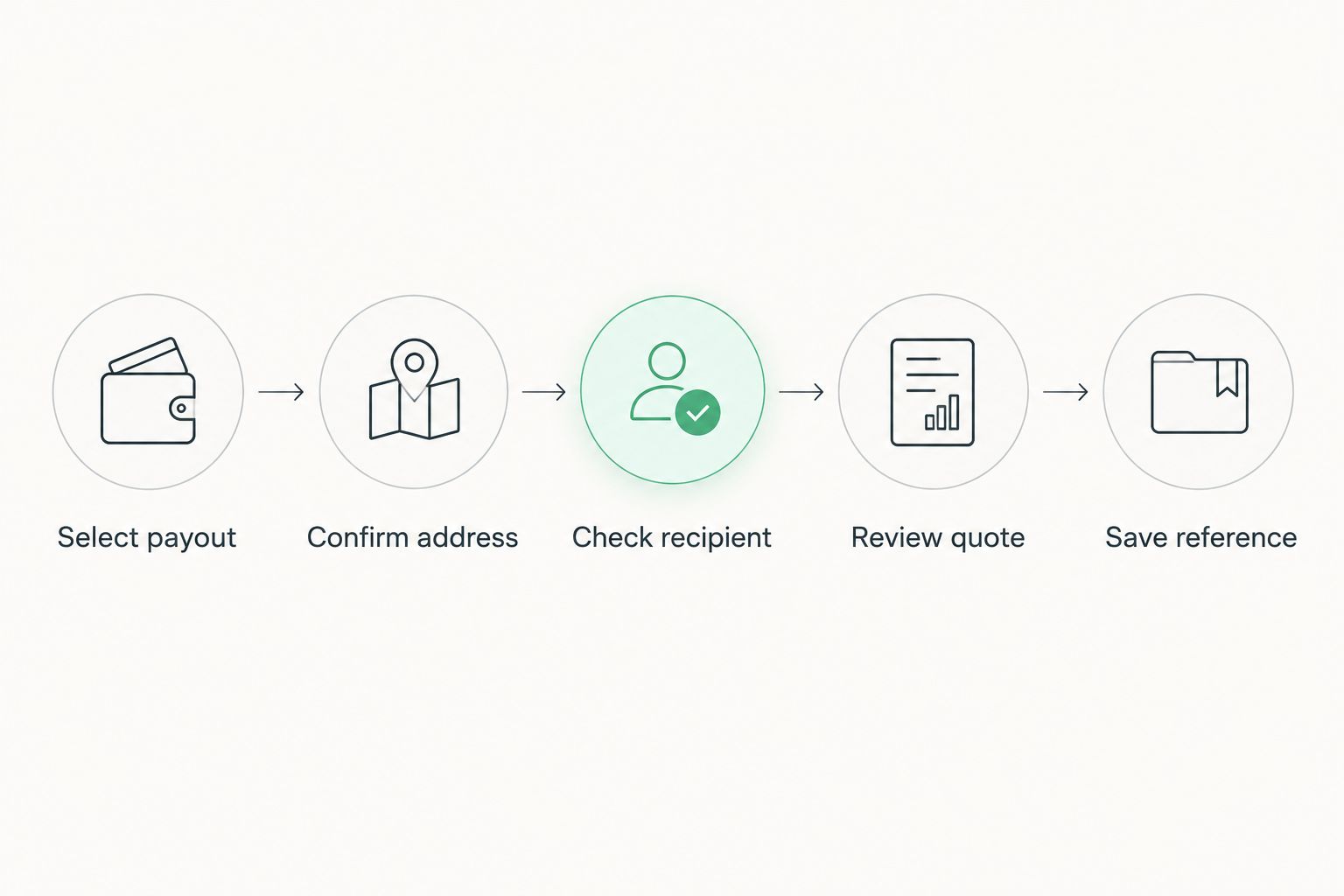
Use this sequence whenever home cash delivery is essential. Stop at any step that does not match the recipient’s needs.
- Select payout: Find an explicit home cash delivery option for the Singapore-to-Philippines transfer. A generic international transfer option is not enough.
- Confirm address: Enter or check the recipient’s exact location, including the address details requested by the service.
- Check recipient: Verify the recipient’s name, accepted identification, contact details and handover requirements.
- Review quote: Check the total sender outlay, recipient pesos, delivery estimate and failed-delivery terms.
- Save reference: Keep the booking confirmation and share the relevant delivery instructions with the recipient.
The booking summary is the final checkpoint. If the summary says bank deposit, wallet credit or cash pickup, you have not booked home cash delivery.
A familiar provider name does not replace these checks. Apply the same sequence to every service you consider, including one you have previously used for a different payout method.
Compare the transfer, not just the advertised fee
For your 2026 comparison, hold the sender’s total Singapore-dollar outlay constant. Then compare the Philippine pesos shown for the recipient, using the same payout method wherever possible.
A fee alone does not describe the transfer’s total cost. The exchange rate also affects the amount received. Use the remittance exchange rate and total cost comparison to structure that decision.
Keep the comparison like for like:
- Use the same sending currency and receiving currency.
- Use the same total sender outlay.
- Select the same payout method.
- Check the delivery estimate attached to each quote.
- Read any conditions affecting the displayed recipient amount.
Do not label one service the budget winner from its advertised fee alone. The useful comparison is what your recipient receives for the amount you actually pay. Delivery fit still comes first: more recipient pesos do not fix an unusable payout method.
How the options are ranked
The ranking prioritises recipient access, then payout clarity, recipient requirements, total transfer cost and delivery terms. Confirmed home cash delivery ranks first because it directly matches the door-to-door request; the other methods serve different needs.
Finpaywise compares remittance fees, exchange rates and delivery speeds for Singapore-based Filipino workers. This guide adds a practical decision rule: choose a method the recipient can actually use before comparing its transfer quote.
Which remittance option should you choose?
Choose confirmed home cash delivery when your recipient needs physical cash and cannot collect it elsewhere. That is the default for a genuine door-to-door requirement, provided the exact address and recipient qualify.
Choose cash pickup when collection is practical. Choose bank deposit or a mobile wallet when the recipient can use the credited funds without needing cash brought home.
Before your next 2026 transfer, ask your recipient one direct question: do you need cash delivered, cash collected, or money in an account? That answer narrows the shortlist more effectively than starting with a provider name.
FAQ
What is the best door to door remittance Philippines option from Singapore?
The best fit is a service that explicitly confirms home cash delivery to your recipient’s exact address. Check recipient requirements, delivery terms and the final booking summary before paying.
Is cash pickup the same as door-to-door remittance?
No, cash pickup requires the recipient to collect money at a payout location. Door-to-door remittance delivers cash to the specified address.
Does sending money to the Philippines mean cash will arrive at home?
No, Philippines coverage does not specify the payout method. The transfer can use bank deposit, wallet credit, cash pickup or confirmed home delivery, depending on the booked service.
What should I check before booking home cash delivery?
Confirm the exact delivery address, recipient identity requirements, contact details and handover conditions. Also read the delivery estimate and what happens after an unsuccessful delivery attempt.
How do I compare the cost of door-to-door remittance?
Compare recipient pesos for the same total Singapore-dollar outlay and the same payout method. Check both transfer charges and the exchange rate rather than judging the fee alone.
Is bank deposit better than home cash delivery?
Bank deposit is better suited to a recipient who can use funds in their bank account. Home cash delivery fits a recipient who needs physical cash delivered and cannot collect or withdraw it elsewhere.
Can a mobile wallet transfer replace door-to-door cash delivery?
A mobile wallet transfer replaces home delivery only when the recipient can use the wallet balance for their needs. If they need physical cash, a separate cash-out step remains.
One last thing
Agree on the fallback before sending. If home delivery cannot be completed, establish whether the recipient can use cash pickup, bank deposit or wallet credit, then check the service’s actual change or cancellation process.
A fallback method is useful only if your recipient can use it. Deciding that before payment prevents the original access problem from returning under a different payout label.
Related guides
- Best cash pickup remittance services to the Philippines
- Best bank deposit transfer services to the Philippines
- Send money from Singapore to the Philippines guide